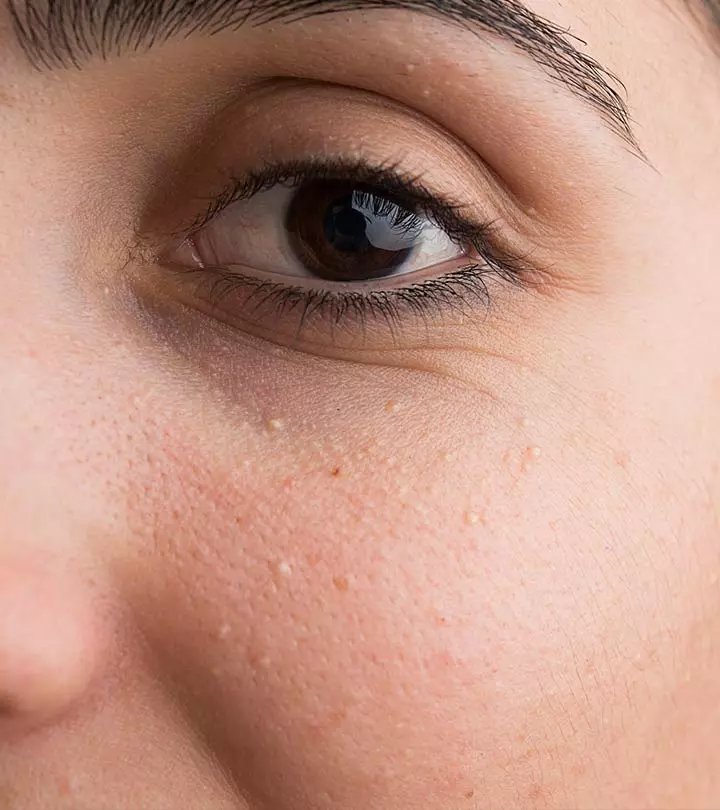
Skin Cancer Cells Images: What Skin Cancer Cells & Precancerous Sores Appear Like The most typical types of skin cancer are basal cell carcinoma, squamous cell cancer, and cancer malignancy. Cancer malignancy is one of the most aggressive form and can spread to other parts of the body if not spotted early. Acknowledging the indicators of skin cancer cells is crucial for early diagnosis and treatment. The ability to compare benign skin developments and possibly unsafe skin cancers cells needs professional clinical training and specialized analysis equipment. Moles, likewise known as nevi, prevail skin developments that can show up anywhere on the body. Commonly, moles establish during childhood and teenage years and might alter in appearance over time.
Exactly how to inform if a skin lesion is benign?
Symmetry fit, colour and structure.Stable or slowly evolving.Absence of
spontaneous blood loss(bleeding or ulcer might be because of current injury).
What Does A Concerning Mole Resemble?
Triggered by an enlargement of the sebaceous glands bordering a skin roots, sebaceous hyperplasia occurs regularly in males. Raised growths that enclose a main hollow, these benign lesions often resemble basic cell cancers, so cancer cells assessment is a prudent selection. Sebaceous hyperplasia can additionally be eliminated for cosmetic purposes. Atypical moles can in some cases increase problems, leading lots of to wonder about the distinction between cancer malignancy vs a mole. Cells eliminated throughout the process might be examined to see if they show signs of cancer cells. Individualized treatment makes sure that skin lesion removal is both secure and reliable, with interest to cosmetic outcomes and total skin health and wellness. Even though numerous sores of the skin are safe, a specialist assessment ensures accurate medical diagnosis and appropriate care. Asymmetry refers to when one fifty percent of a mole or area doesn't match the various other half in dimension, shape, or shade. Healthy moles have a tendency to be in proportion, with both sides looking relatively similar. If you observe any kind of changes in shade, size, texture, and form, talk to your physician right now. Moles are get more info typically brownish, black, or flesh-colored and can differ in shapes and size. A lot of moles are benign, indicating they are not malignant and pose no threat to your health and wellness. However, some moles can transform with time, and these adjustments might be a sign of cancer malignancy, the most major type of skin cancer cells.
The combination of her expert background and contemporary equipment allows Dr Phillips to supply high quality benign skin sore therapy which improves your skin's wellness and looks.
If you see any kind of modifications, it deserves calling your physician to ensure there is nothing to be concerned regarding.
At Carroll Dermatology, we supply expert take care of a variety of skin conditions past benign, premalignant, and deadly skin lesions.
Early stage skin cancer is commonly dealt with quickly and efficiently when attended to quickly.
As opposed to the benign formations formerly discussed, actinic keratoses make up precancerous sores that require instant specialist medical focus and treatment intervention. These scaly, rough-textured locations continue to be persistent for two months or longer without resolution, regardless of consistent application of moisturizing products. Skin tags, clinically termed acrochordons, are defined as soft, flesh-colored developments that predominantly emerge in areas where skin surfaces touch, including the neck area and underarms. These benign developments regularly develop with age and might develop regularly during periods of significant weight fluctuation. Certain lesions may manifest separately, while others have a tendency to gather or appear in multiple places throughout numerous body regions. Rough, sandpaper-like spots on sun-exposed skin might be actinic keratosis (AK). These are not cancer yet, but they are considered precancerous. Although yearly skin evaluations are very important for all grown-up patients, it is particularly crucial for those over 45 or those possessing raised skin cancer cells risk elements. These thorough evaluations additionally permit your skin specialist to track existing developments and identify new sores during their earliest, most treatable stages. New skin growths typically create as an outcome of sun exposure gradually, family members background, hormonal influences, Benign lesion treatment and the all-natural processes that impact our skin. These advancements can cause stress and anxiety, especially when you doubt whether these adjustments stand for normal aging or indicators of a more significant wellness concern. Therefore, the cells split out of control and, if left neglected, result in systemic health issues. If cancer malignancy is present, sometimes cancer cells can be gotten rid of in its whole in a solitary visit. In various other cases, surgical procedure might be used in mix with chemotherapy and radiation to kill the cancer cells. Radiation is likewise made use of as a key treatment for some non-melanoma skin cancers cells. This decision ought to be made combined with a cancer cells professional. A mole that is evolving-- reducing, growing larger, altering color, starts to impulse or hemorrhage-- need to be examined.
How Is Very Early Stage Skin Cancer Cells Dealt With?
Many doctors advise routine monitoring of uncommon moles. While it is feasible for a dysplastic mole to turn into a melanoma, the chance is very reduced. However, you can choose to have an irregular mole removed for aesthetic reasons. This nonmelanoma skin cancer might appear as a company red blemish, a scaly development that bleeds or establishes a crust, or an aching that doesn't heal.
New Year, Brand-new You: 3 Blood Vessel Treatments To Consider In 2026
If discovered to be cancerous, the entire mole and an edge of typical skin around it will be gotten rid of and the wound sewed closed. Seborrheic keratoses rate among one of the most usual skin formations that often establish throughout the middle years of life. They are defined by their elevated, textured look that ranges from pink to deep brown. The provider delicately removes the development at the surface area of the skin. There are no stitches involved in this procedure, often leading to marginal downtime.